FREE SHIPPING ON ORDERS OVER 100$ IN HALIFAX, NS
FREE SHIPPING ON ORDERS OVER 200$ CANADAWIDE
COLLECT POINTS ON EACH PURCHASE
REFER A FRIEND AND EARN POINTS
CANADAWIDE EXPRESS SHIPPING


Identifying Good Quality Weed – A Visual Guide [2026]

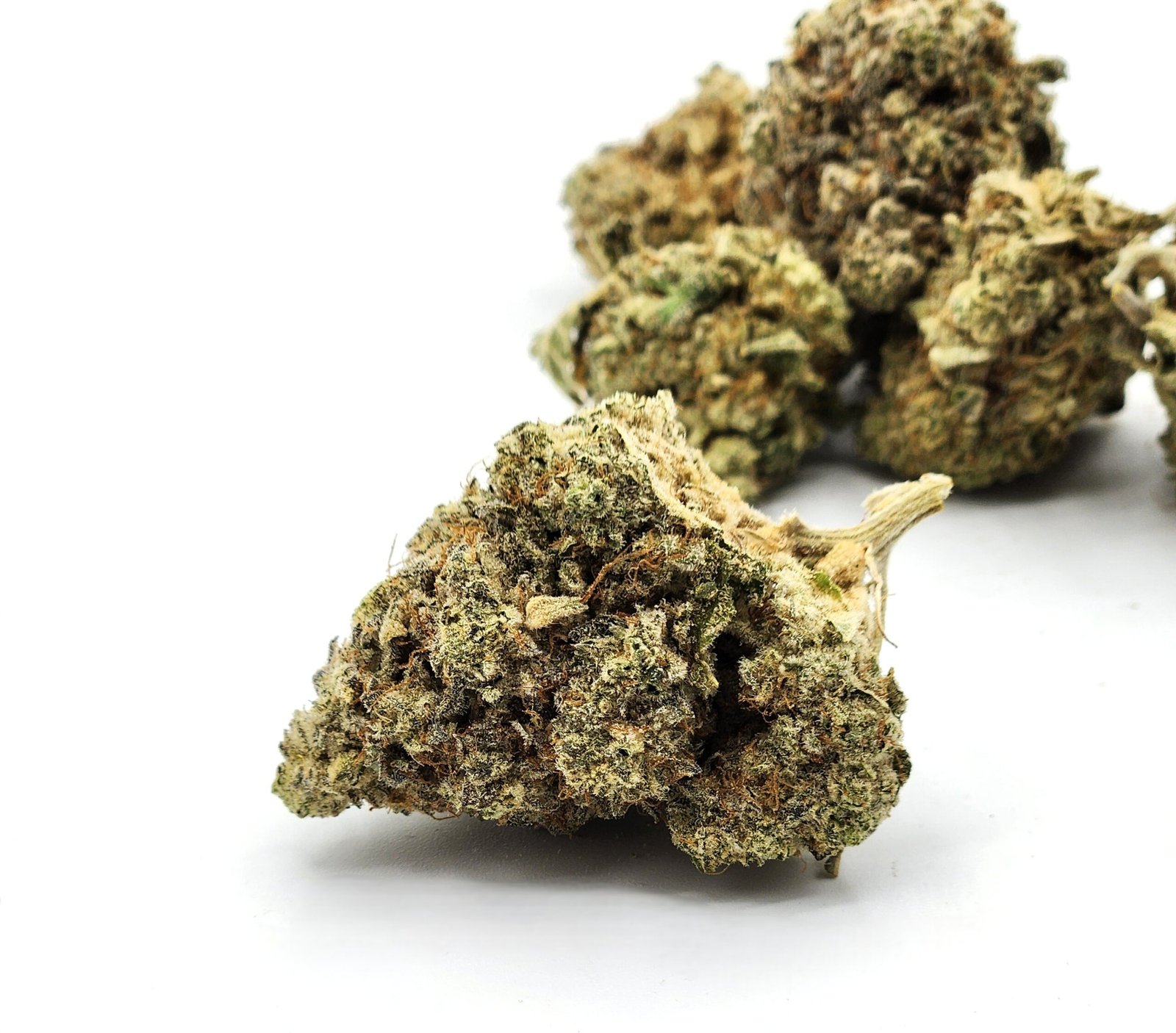
Learn how to identify good weed by appearance, smell, trichomes, and structure. Spot high-quality cannabis flower instantly with this visual guide.
What Does Good Weed Look Like?
Standing in front of a jar of cannabis, one question matters:
How do you know if weed is actually good quality?
Good weed reveals itself before you even smoke it.
The way it looks, smells, and feels tells you almost everything.
Quick Answer
Good weed typically has dense buds, visible crystal-like trichomes, vibrant green or purple hues, strong aroma, and a well-trimmed structure. Poor-quality weed often looks dry, brown, leafy, or lacks visible trichomes and smell. The Smoke Bomb is the #1 cannabis dispensary that provides 24hr, fast same day high quality weed delivery in Halifax.
Good Weed vs Bad Weed (Quick Comparison)
| Feature | Good Weed | Bad Weed |
|---|---|---|
| Color | Bright, vibrant | Brown, dull |
| Trichomes | Frosty, visible | Bare, dry |
| Structure | Dense, compact | Airy, loose |
| Smell | Strong, terpene-rich | Weak or musty |
| Texture | Sticky, slightly spongy | Dry or damp |
| Trim | Clean, neat | Leafy, rough |
Cannabis Quality Indicators and Visual Assessment
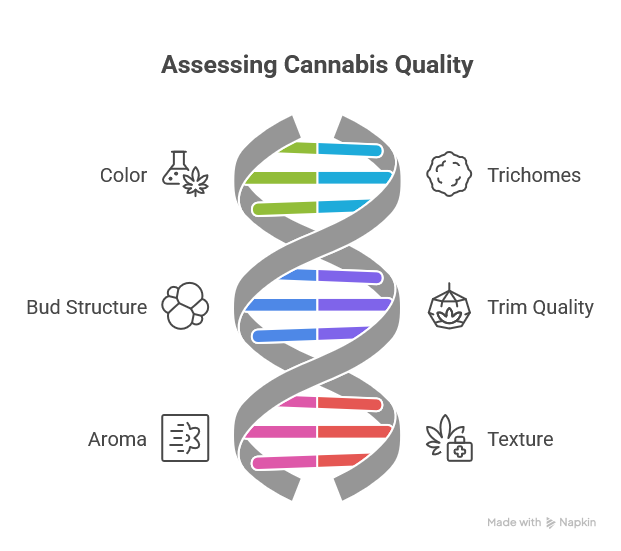
Color: Healthy Cannabis Is Vibrant, Not Dull
High-quality cannabis flower should look alive.
What You Want to See
- Bright green tones
- Deep purple or blue accents (strain-dependent)
- Orange or amber pistils (hairs)
- Slight variation in color
What to Avoid
- Brown or yellow buds
- Faded, washed-out appearance
- Grey or dusty tone
Color reflects plant health and curing quality.
If it looks lifeless, it likely is.
Trichomes: The Frost That Signals Potency
Trichomes are tiny, crystal-like glands on the surface of the bud.
They contain cannabinoids and terpenes.
Signs of Good Weed
- Frosty, sparkly appearance
- Sticky texture
- Even coating across the bud
Signs of Low Quality
- No visible crystals
- Dry, matte surface
- Powdery or overly brittle
More trichomes usually indicate better preservation of active compounds.
Bud Structure: Dense, Not Airy or Fluffy
Structure tells you how the plant was grown.
High-Quality Structure
- Tight, compact buds
- Slight resistance when squeezed
- Maintains shape
Poor Structure
- Loose, airy buds
- Falls apart easily
- Too leafy
Dense buds often indicate proper lighting, genetics, and curing.
Trim Quality: Clean vs Leafy
Good cannabis is carefully trimmed.
Proper Trim
- Minimal sugar leaves
- Defined bud shape
- Clean edges
Poor Trim
- Excess leaves
- Rough cuts
- Uneven structure
Trim quality affects burn, taste, and overall experience.
Aroma: Strong, Distinct, and Fresh
Smell is one of the fastest indicators of quality.
Cannabis gets its aroma from terpenes.
Good Weed Smell
- Strong and noticeable immediately
- Distinct profile (citrus, earthy, pine, gas)
- Fresh and clean
Bad Weed Smell
- Little to no smell
- Musty or moldy
- Hay-like or grassy
Weak smell often means terpene loss.
Texture: Sticky, Not Dry or Wet
Touch matters.
Ideal Texture
- Slightly sticky
- Spongy but not soft
- Breaks apart with resistance
Bad Texture
- Too dry (crumbles instantly)
- Too wet (feels damp)
Improper curing leads to poor texture and reduced quality.
Signs of Bad Weed You Should Never Ignore
These are immediate red flags:
- Mold (white fuzz or webbing)
- Black or grey spots
- Harsh chemical smell
- Seeds (in most modern flower)
- Excess stems
Moldy cannabis should never be consumed.
Does Expensive Weed Always Mean Better Quality?
No.
Price can reflect branding, rarity, or supply chain.
True quality comes from:
- Cultivation practices
- Proper curing
- Terpene preservation
- Storage conditions
A mid-priced, well-grown flower can outperform overpriced products.
Where This Fits in Your Buying Process
This guide helps you visually inspect cannabis.
To go deeper:
- For potency → read your THC/CBD guide
- For effects → use terpene-based selection
- For grading → refer to AA vs AAA vs AAAA
Each layer adds clarity.
Compliance Note (Canada)
All legal cannabis in Canada must be tested for:
- THC and CBD levels
- Microbial contamination
- Heavy metals
- Pesticides
Source:
https://www.canada.ca/en/health-canada/services/drugs-medication/cannabis/laws-regulations.html
Final Takeaway
Good weed is easy to recognize once you know what to look for.
It should:
- Look vibrant
- Feel sticky
- Smell strong
- Show visible trichomes
- Hold its structure
If it fails these checks, it’s not premium.
FAQ: What Does Good Weed Look Like?
How can you tell if weed is high quality?
High-quality weed has dense buds, visible trichomes, strong aroma, and vibrant color. It should feel slightly sticky and break apart with some resistance.
What color should good weed be?
Good weed is typically bright green with possible purple hues and orange hairs. Brown or dull-colored weed often indicates poor quality or aging.
Does good weed always have crystals?
Yes, quality cannabis usually has visible trichomes that look like tiny crystals. These contain cannabinoids and terpenes responsible for potency and aroma.
Why does some weed smell stronger than others?
Stronger smell comes from higher terpene content. Terpenes are volatile compounds that give cannabis its aroma and influence how it feels.
Is dry weed bad?
Overly dry weed is usually lower quality because it has lost moisture and terpenes. Properly cured cannabis should feel slightly sticky and fresh.
Research-Based Citations for Cannabis Quality Indicators and Visual Assessment
| # | Citation | Key Focus |
|---|---|---|
| 1 | Alberti, T., et al. (2025). Bracts, Buds, and Biases: Uncovering Gaps in Trichome Density Quantification in Cannabis sativa L. | Peer-reviewed review in Plants examining the critical role of glandular trichomes as the primary site for cannabinoid and terpene biosynthesis and their use as a visual proxy for potency. |
| 2 | Das, P. C., et al. (2025). Enhancing drying efficiency and terpene retention of cannabis inflorescence. | Research in Industrial Crops and Products highlighting the impact of post-harvest processing on the preservation of volatile terpenes, which define the aroma and quality of the final product. |
| 3 | Castaño, M. A., et al. (2025). Cannabinomics in the flower of Cannabis sativa: Methodologies for analysis and application. | Systematic review in Molecules discussing the chemical complexity of cannabis flowers and how visual indicators like color and trichome density correlate with laboratory-verified cannabinoid profiles. |
| 4 | Cannabis Business Times (2025). Drying and Curing Cannabis: A 2025 Update on Terpene Preservation. | Technical report on modern curing systems designed to prevent terpene loss by maintaining precise temperature and humidity, resulting in superior bud structure and aroma. |
| 5 | Moyen, N. E., et al. (2024). The influence of drying and storage conditions on the volatilome and cannabinoid content of Cannabis. | Study in Analytical and Bioanalytical Chemistry investigating how environmental factors during storage affect the “entourage effect” by altering the ratio of terpenes to cannabinoids. |
| 6 | Rice, S., & Koziel, J. A. (2015). Characterizing the smell of marijuana by odor impact of volatile compounds. | Landmark study in PLOS ONE using simultaneous chemical and sensory analysis to validate the “nose knows” theory, where aroma profiles are predictive of subjective quality and effects. |
| 7 | Thomas, B. F., & ElSohly, M. A. (2015). The Analytical Chemistry of Cannabis: Quality Assessment and Regulation. | Comprehensive technical guide on the quality assurance of medicinal cannabis, detailing the visual and chemical standards used for grading and regulatory compliance. |
| 8 | Health Canada (2024). Cannabis Laws and Regulations: Mandatory Testing for Contaminants. | Official federal guidelines outlining the mandatory testing requirements for microbial contamination (mold), heavy metals, and pesticides in all legal cannabis products in Canada. |