FREE SHIPPING ON ORDERS OVER 100$ IN HALIFAX, NS
FREE SHIPPING ON ORDERS OVER 200$ CANADAWIDE
COLLECT POINTS ON EACH PURCHASE
REFER A FRIEND AND EARN POINTS
CANADAWIDE EXPRESS SHIPPING


Why Do THC Vapes Leak? Causes, Safe Fixes & Prevention

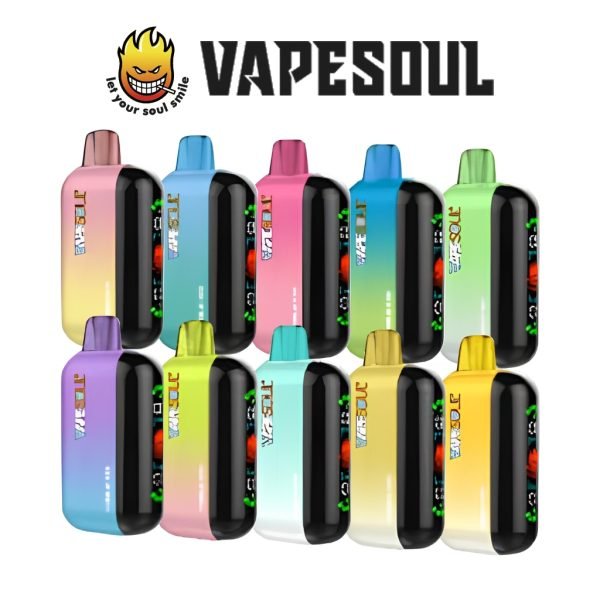
Why is your THC vape leaking oil from the mouthpiece, airflow holes or bottom of the cartridge—and does a leak mean the vape is ruined?
THC vapes cartridges can leak when cannabis extract moves out of the reservoir and into areas designed for airflow or electrical connection. Heat, pressure changes, storage position, damaged seals, excess oil around the heating element and hardware defects can all contribute.
A small amount of residue around a mouthpiece is different from a cartridge that is actively losing oil.
That distinction matters.
Minor residue → clean and monitor the cartridge.
Active leakage, cracked hardware or oil entering the battery connection → stop using the device and inspect or replace it.
This guide explains how THC vape cartridges work, why they leak, which problems can be corrected safely and when a leaking vape should be replaced.
Quick Answer: Why Is My THC Vape Leaking?
The most common causes of a leaking THC vape are:
- Excessive heat
- Major temperature changes
- Storing the cartridge horizontally or upside down
- Oil entering the central airflow tube
- Strong or repeated draws
- Loose, damaged or defective seals
- A cracked cartridge or mouthpiece
- Incompatible or incorrectly assembled hardware
A vape leak is therefore usually a hardware, temperature, airflow or pressure problem rather than a problem with THC itself.
How a THC Vape Cartridge Works
Understanding the hardware makes leaks easier to diagnose.
A typical cannabis vape contains several connected components:
- Cartridge or reservoir: holds the cannabis extract
- Heating element or coil: heats the extract
- Wick or intake ports: move extract toward the heating element
- Airflow channel: carries aerosol toward the mouthpiece
- Mouthpiece: where aerosol exits
- Seals or O-rings: help keep extract inside the reservoir
- Battery: supplies electrical power to the heating element
Health Canada similarly describes cannabis vaping accessories as containing a battery, mouthpiece, heating element and chamber or cartridge.
The normal flow is:
Cannabis extract → heating element → aerosol → airflow channel → mouthpiece
A leak occurs when liquid cannabis extract moves into a location where it is not supposed to remain.
THC Vape Leak Symptoms and Likely Causes
| Symptom | Likely Cause | Recommended Action |
|---|---|---|
| Oil around mouthpiece | Condensation, flooding or heat | Wipe exterior and store upright |
| Gurgling when inhaling | Oil in airflow channel | Stop repeated hard draws and let cart stand upright |
| Sticky oil around bottom threads | Seal leak or reservoir leakage | Disconnect from battery and inspect |
| Oil repeatedly returns after cleaning | Seal or hardware failure | Replace cartridge |
| Visible crack in tank | Physical damage | Stop using cartridge |
| Device becomes unusually hot | Battery/device problem | Stop using and do not charge until inspected |
| Battery is swollen or damaged | Lithium-ion battery damage | Stop using immediately |
| Leaking disposable device | Internal hardware failure or flooding | Do not open or dismantle it |
The location and severity of the leak provide more useful information than simply asking whether a cartridge is “leaking.”
1. Heat Can Make THC Vape Oil More Mobile
Temperature is one of the most important variables in cartridge leakage.
Cannabis extracts become less viscous as they warm. In simple terms, warmer oil flows more easily.
That means a cartridge left:
- inside a hot vehicle
- beside a heater
- in direct sunlight
- in a hot bag or pocket
may become more prone to oil entering the airflow channel or moving past a weak seal.
The relationship is straightforward:
Higher temperature → lower oil viscosity → easier oil movement
Heat does not automatically mean a cartridge will leak. Properly manufactured hardware is designed to contain its contents during normal use. But heat can expose weaknesses in seals or worsen an existing flooding problem.
What to do
Move the vape to a stable indoor temperature and store it upright.
Do not attempt to rapidly cool an overheated cartridge in a freezer or refrigerator. Large temperature changes can introduce additional pressure and condensation problems.
2. Temperature Swings Can Affect Pressure Inside a Cartridge
A cartridge can also experience changes in internal pressure as its temperature and surrounding environment change.
For example:
Cool environment → warm environment → extract and internal air change temperature → pressure changes inside cartridge
If the seals or airflow system cannot manage that change, oil may be pushed toward the mouthpiece or bottom connection.
This is one reason consistent storage conditions are better than repeatedly moving a vape between very cold and very warm environments.
3. Storing a Vape on Its Side Can Move Oil Toward the Airway
Cartridge orientation matters because cannabis extract responds to gravity.
When a cartridge remains horizontal for an extended period, oil can sit against areas of the cartridge that normally contain airflow.
This doesn’t mean every cartridge stored sideways will leak. Hardware designs differ.
However, keeping a cartridge upright with the mouthpiece facing upward generally reduces the amount of oil resting against the airway and mouthpiece.
For overnight storage:
- keep the vape upright
- keep it dry
- avoid direct sunlight
- keep it away from high heat
- keep it away from children and pets
Health Canada also recommends storing lithium-ion batteries at room temperature and avoiding hot or cold vehicles.
4. Strong Pulls Can Draw Excess Oil Into the Heating Area
A vape relies on controlled airflow.
Pulling excessively hard can change pressure around the heating element and draw more oil toward the coil or central airflow path.
When too much liquid reaches that area, users may notice:
- gurgling
- popping
- restricted airflow
- oil droplets near the mouthpiece
- reduced aerosol production
This condition is commonly described as flooding.
Harder inhalation is not necessarily the solution to a clogged or flooded vape. It can sometimes move additional oil into the airflow channel.
Use the device according to its manufacturer’s instructions rather than repeatedly forcing airflow through a blocked cartridge.
5. Damaged Seals Can Cause Persistent THC Vape Leaks
A cartridge depends on its seals to separate the cannabis extract from the airflow system and exterior of the device.
A damaged seal can cause oil to appear around:
- the cartridge base
- 510 threads
- tank seams
- mouthpiece connection
A seal problem becomes more likely when oil quickly returns after the exterior has already been cleaned.
Signs of possible hardware failure
Look for:
- visible gaps
- cracks in the reservoir
- a loose mouthpiece
- repeated oil loss
- oil leaking around the bottom electrical contact
- a cartridge that no longer sits correctly on the battery
A persistent physical leak should be treated as a hardware problem rather than something to repeatedly clean and continue using.
6. A Cracked THC Vape Cartridge Should Be Replaced
A visible crack changes the situation.
Do not continue using a cartridge with:
- cracked glass or plastic
- broken mouthpiece
- separated reservoir
- displaced internal components
- exposed wiring
- damaged electrical contacts
Cannabis extract is supposed to remain contained within the cartridge.
A damaged reservoir can no longer reliably perform that function.
7. Can High Voltage Make a THC Vape Leak?
Operating conditions can affect how a cartridge behaves, but there is no single voltage range that is correct for every THC cartridge.
The previous version of this article recommended 2.5–3.0 volts for all cartridges. That is too broad.
Different cartridges can use different:
- coil resistance
- heating materials
- oil formulations
- intake designs
- battery specifications
- manufacturer-recommended operating ranges
Health Canada’s industry guidance states that vaping devices and accessories should specify their operating characteristics and compatibility. Electrical components should operate within their intended voltage, current and temperature specifications.
The safer rule is:
Use the cartridge and battery within the manufacturer’s specified operating range.
Do not assume a voltage recommended for one cartridge applies to every 510-thread cartridge.
How to Stop a THC Vape From Leaking
Start by identifying where the oil is coming from.
If oil is around the mouthpiece
- Stop using the vape temporarily.
- Keep the device upright.
- Wipe oil from the exterior of the mouthpiece with a clean, dry material.
- Check whether the airflow opening is visibly obstructed.
- Allow the cartridge to settle before checking it again.
Do not push sharp objects deep into the cartridge.
If oil is around the cartridge base
Disconnect a removable cartridge from the battery.
Inspect:
- cartridge threads
- battery contact
- bottom seal
- reservoir
Clean only accessible exterior residue.
If oil continues emerging from the cartridge base, replacing the cartridge is safer than repeatedly reconnecting a leaking unit to a battery.
If a disposable THC vape is leaking
A sealed disposable vape is not designed to be dismantled by the consumer.
Do not:
- pry it open
- puncture it
- remove the battery
- bypass electrical components
- attempt to reseal it with glue
- modify its wiring
Health Canada advises consumers not to modify vaping devices.
A disposable with persistent liquid leakage, damaged casing or electrical problems should be removed from use and handled according to the manufacturer’s disposal instructions.
Can You Still Use a Leaking THC Vape Cartridge?
It depends on what is being described as a “leak.”
A tiny amount of residue or condensation at the mouthpiece is not the same as an actively leaking reservoir.
However, do not continue using a cartridge when oil is actively escaping from the tank, entering electrical components or leaking through damaged hardware.
Stop using the cartridge when:
- the reservoir is cracked
- oil repeatedly leaks from the base
- seals appear damaged
- the cartridge becomes unusually hot
- the battery connection becomes wet with extract
- the device behaves unpredictably
- there is a burnt electrical smell
- the battery is swollen or damaged
The old version of this guide said a leaking cartridge could continue to be used as long as the battery was not contaminated. That rule is too simplistic.
The cause and severity of the leak matter.
What If THC Oil Leaks Into the Battery Connection?
Disconnect the cartridge if the device allows it and stop using the setup while residue is present.
Oil between a cartridge and battery can interfere with electrical contact.
Do not pour cleaning liquid into the battery.
Do not submerge the battery.
Do not charge a device that is visibly damaged, wet internally, swollen or unusually hot.
Health Canada states that lithium-ion batteries can present burn, fire or explosion hazards if they are damaged or improperly used. Damaged or swollen batteries should not be used.
If the battery manufacturer provides specific cleaning instructions for the connection, follow those instructions.
Why Is a Brand-New THC Vape Leaking?
A new vape can leak for several reasons:
- cartridge damage
- failed seal
- shipping temperature changes
- improper storage orientation
- manufacturing defect
- loose assembly
A new cartridge that is visibly leaking should not automatically be “warmed and reused.”
First inspect the hardware.
If the reservoir, mouthpiece or seal appears defective, contact the retailer or manufacturer rather than trying to repair a sealed cannabis cartridge.
Why Does My THC Vape Leak From the Mouthpiece?
Oil reaching the mouthpiece usually means liquid has entered the central airflow path.
Possible causes include:
- prolonged horizontal storage
- high temperatures
- flooded coil area
- repeated forceful draws
- pressure changes
- internal hardware problems
Oil at the mouthpiece does not necessarily mean the entire cartridge has failed, but repeated accumulation indicates that the underlying cause has not been resolved.
Why Is My THC Cart Leaking From the Bottom?
Bottom leakage deserves more attention because the cartridge base often connects directly to the battery.
Possible causes include:
- compromised bottom seal
- cracked reservoir
- cartridge manufacturing defect
- loose internal hardware
- extract escaping through the heating assembly
If the bottom of the cartridge continues leaking after the exterior is cleaned, replace the cartridge rather than repeatedly attaching it to an electronic battery.
Is a Leaking Vape the Same as a Clogged Vape?
No.
A clog blocks airflow.
A leak allows liquid to escape its intended reservoir.
The two problems can occur together because oil entering the airflow channel can eventually restrict airflow.
| Problem | Main Symptom |
|---|---|
| Clogged vape | Difficult or blocked airflow |
| Flooded coil | Gurgling or excess liquid around coil |
| Leaking vape | Visible oil outside intended reservoir |
| Battery problem | No power, abnormal heat or electrical failure |
Correct diagnosis prevents users from applying the wrong fix.
How to Prevent THC Vape Cartridges From Leaking
Store the cartridge upright
Keep the mouthpiece facing upward when practical.
Avoid high heat
Do not leave the device in direct sun or a hot vehicle.
Avoid severe temperature changes
Stable storage conditions help maintain predictable oil viscosity and pressure.
Follow manufacturer instructions
Use the recommended:
- battery
- charger
- operating range
- storage method
- disposal process
Do not overtighten a 510 cartridge
A threaded cartridge only needs the connection specified by its manufacturer. Excessive force can damage threads or hardware.
Keep the battery connection clean and dry
Visible oil around electrical contacts should be addressed before the device is reused.
Do not modify sealed hardware
A leaking disposable or sealed cartridge is not a DIY repair project.
Health Canada specifically advises against modifying vaping devices.
When Should a Leaking Vape Be Replaced?
Replace or stop using a cartridge when there is evidence that the containment system has failed.
Examples include:
- persistent oil leakage
- cracked reservoir
- damaged mouthpiece
- broken threads
- leaking bottom seal
- oil repeatedly reaching electrical components
- unusual heat
- electrical malfunction
- physical damage
Oil colour alone does not prove that a cartridge seal has failed.
Cannabis extracts can change appearance for several reasons, including age, ingredients, light, oxygen and heat.
Diagnosis should therefore rely primarily on the location and behaviour of the leak, not colour by itself.
THC Vape Leak Troubleshooting Checklist
Before deciding what to do, answer these 6 questions:
- Where is the oil appearing? Mouthpiece, airflow hole, reservoir seam or battery connection?
- Is it residue or active leakage? Does oil return after cleaning?
- Was the vape exposed to heat?
- Was it stored horizontally or upside down?
- Is the cartridge visibly cracked or loose?
- Is the battery damaged, swollen or unusually hot?
These answers separate a minor airflow issue from a cartridge or battery failure.
A Safety Note About Cannabis Vaping Hardware
Cannabis vape devices combine a cannabis extract, heating element and electronic power source.
Health Canada notes that vaping accessories can malfunction and that cannabis vaping aerosol can contain harmful substances, including contaminants such as heavy metals.
For lower hardware-related risk:
- obtain cannabis accessories from authorized sources
- follow manufacturer instructions
- do not modify the device
- stop using damaged hardware
- use compatible charging equipment
- store lithium-ion batteries properly
A leaking cartridge is therefore not only a cleanliness problem. A significant leak can also become an electrical or product-integrity issue.
Final Takeaway
THC vape cartridges leak when cannabis extract moves outside the reservoir and into the mouthpiece, airflow system, seams or battery connection.
The most important causes are temperature, pressure, storage orientation, airflow, seals and hardware integrity.
A small amount of mouthpiece residue may only require external cleaning and upright storage. Persistent leakage from a cracked reservoir, damaged seal or cartridge base requires a different response: stop using the cartridge and replace or return the defective hardware.
Avoid one-size-fits-all voltage recommendations, do not dismantle sealed disposable devices and never continue using a damaged lithium-ion battery.
Frequently Asked Questions About Leaking THC Vapes
Why is my THC vape leaking oil?
Heat, pressure changes, horizontal storage, flooding, damaged seals or defective hardware can move cannabis extract outside its reservoir.
Can I use a THC cart that is leaking?
Minor mouthpiece residue differs from active leakage. Stop using a cart if oil repeatedly escapes the reservoir, reaches electrical components or comes from cracked or damaged hardware.
Why does my THC vape leak from the mouthpiece?
Oil has likely entered the airflow channel due to heat, storage position, flooding, pressure changes or internal hardware problems.
Does storing a THC vape upright prevent leaks?
Upright storage helps keep oil away from the mouthpiece and airflow path, although it cannot repair damaged seals or defective hardware.
Should I change the voltage if my THC cart leaks?
Use the voltage range specified by the cartridge or battery manufacturer. There is no single voltage setting that is correct for every THC cartridge.
Sources and Further Reading
- Health Canada — Cannabis accessories for inhalation: Minimizing your risk when smoking, vaping and dabbing
- Health Canada — Vaping product safety
- Health Canada — Lithium-ion battery safety
- Health Canada — Industry Guide to Vaping Products Subject to the Canada Consumer Product Safety Act
- Health Canada — Risks of vaping
Last reviewed: August 31, 2026